Custom metal work for weddings can feel mysterious to planners and couples. Some assume only huge festivals or massive production budgets can support a custom metal wedding structure. In reality, the right design scales to a small courtyard ceremony, a mid-sized ballroom, or a full weekend celebration.
Gallo Welding is a metal artist Atlanta planners trust for custom event structures, wedding arches, and sculptural focal points. The studio builds pieces for large festivals, public art, and private events, then adapts the same experience for weddings and receptions across the region.
Planners often search for phrases such as “Gallo Welding custom metal work” or “Gallo Welding wedding arches” when they want clear answers on process, budget, and safety.
If you’re exploring custom metal work for weddings and events, you’re investing in a structure designed around your venue, schedule, and guest experience. Below is a straightforward look at the process—from first message to a finished structure ready for the aisle.
Step 1: Dreaming and Discovery
The process begins when a planner or couple reaches out to Gallo Welding with a project idea. The details you share up front help the studio confirm feasibility, identify any venue constraints, and provide a realistic ballpark range.
Key information to include in the first email or call
- Event date and a general schedule (ceremony start time and when the space becomes available for setup)
- Venue name and city, plus whether the installation is indoors, outdoors, or both
- Where the structure will live (ceremony platform, lawn, ballroom stage, entry area, etc.)
- A rough layout or floor plan—anything from a simple sketch to a venue diagram
- A budget range for the structure (or the overall scope if you’re considering multiple pieces)
- Vision keywords (modern, garden, industrial, romantic, minimal, etc.) and any must-have cultural or family elements
Helpful (but not required) visual references
- A Pinterest board, moodboard, or a few inspiration images of arches, chuppahs, backdrops, or other focal points you like
- A photo of the exact ceremony/reception spot at the venue (a quick phone snapshot is fine)
- Architectural details worth echoing, such as railings, window shapes, ceiling lines, or existing metal finishes
Gallo Welding reviews what you share and connects it to past work—festival entrances, immersive sculptures, and large outdoor installations—to show what’s possible in scale, finish, and layout.
Next, the team asks a few targeted questions about timeline, placement, and any venue rules that affect anchoring or access. The goal stays simple: translate the idea into a structure that looks intentional, installs cleanly, and stays stable throughout the event.
By the end of this step you typically receive
- A plain-language summary of the concept
- Initial thoughts on size, materials, and finish
- A rough price range and a proposed design/fabrication schedule
- Notes on any venue constraints or engineering considerations to confirm early
Step 2: Concept Sketches and Optional 3D Views
Once everyone agrees on direction, Gallo Welding turns reference images and requirements into clear visuals.
Early concept work often includes
- Rough sketches to explore shapes and proportions
- Simple digital drawings (front/side/top views)
If a venue or production team requests it, Gallo Welding can also provide basic CAD or 3D mockups to help visualize the structure in a room or on a ceremony platform.
These visuals support more focused conversations about
- Sightlines for ceremony photos and video
- Guest flow around the piece (especially for narrow aisles or small patios)
- How the structure reads from multiple angles—entry view, aisle view, and side views
Safety and practicality shape every concept round from the start. The team flags ideas that interfere with exits, block seated guests, or create installation challenges.
Expect one to two revision rounds for a standard wedding arch or chuppah. Complex, multi-piece structures may take additional rounds, especially when venue feedback is needed.
Step 3: Engineering for Real-World Events
After concept approval, the project shifts into engineering. This step turns the drawing into a structure designed to stand level, support décor, and follow venue rules.
Material choices sit at the center of this phase
Common options include:
- Steel for maximum strength and long-term durability
- Aluminum for lower weight and easier transport
- Hybrid solutions to balance weight, strength, and budget
Next comes connection and joint design—where sections bolt together, where welds sit, and how the piece breaks down for transport. Joints must resist movement throughout the event day, including normal guest traffic and décor installation.
The team also confirms load and stability considerations
Such as:
- Approximate weight of florals/greenery the structure will support
- Additional weight from drape, signage, or hanging elements (when applicable)
Anchoring solutions close the loop
- Base plates that spread weight and keep frames stable
- Ballast hidden in boxes, planters, or stage elements
- Anchors tied into existing venue structures where permitted
- Custom brackets attached to platforms or risers when needed
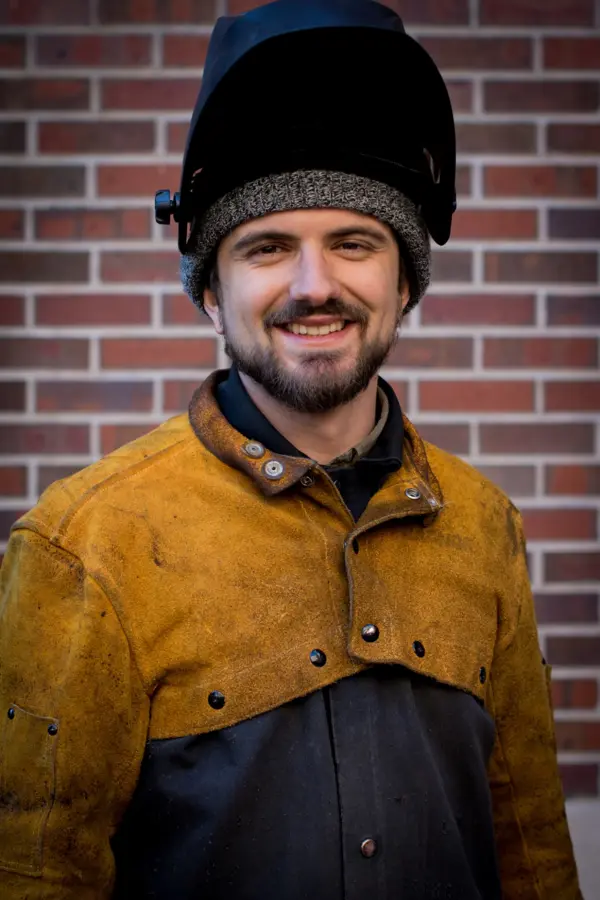
Gallo Welding draws on Ian Gallo’s background in high-strength pipeline welding to keep structural safety and repeatable setup at the core of every decision.
Note on coordination: planners or production teams typically manage site plans, insurance, and venue safety checklists. Gallo Welding can provide the technical details venues often need (dimensions, weights, anchoring approach, and any structure-specific notes) and—if requested—coordinate directly with venue contacts to confirm access paths, load limits, and any restricted rigging points.
Step 4: Fabrication in the Shop
With engineering complete, the build moves into the shop.
The fabrication sequence usually follows this path
- Cutting raw steel or aluminum to length
- Fitting and fixturing pieces to match drawings
- Welding joints and structural connections
- Grinding and smoothing welds for clean lines and safe touch points
- Test assembly in the shop to confirm alignment, dimensions, and stability
Surface preparation and finishing close this phase
Options include:
- High-quality paint in custom colors
- Powder coating for a durable, even finish
- Clear coat over raw or brushed metal for an industrial look
- Patina treatments for an aged or textured finish
Typical timelines after design approval
- A standard arch or chuppah often needs 4–6 weeks for engineering and fabrication (depending on shop schedule)
- Larger multi-piece structures (stages, entrances, immersive installations) often need 8–12 weeks, especially during peak seasons
During fabrication, Gallo Welding shares progress updates at key milestones and confirms finish choices before final coating.
Step 5: Delivery, Setup, and Strike
A custom metal wedding structure only succeeds when it arrives safely, installs smoothly, and strikes on schedule. Gallo Welding treats delivery, setup, and breakdown as part of the design—not an afterthought.
Delivery logistics typically cover
- Confirmed load-in times with the planner and venue
- Vehicle access routes, loading dock details, or freight elevator requirements
- Site protection needs such as floor coverings or wall guards
On event day, the crew typically
- Arrives within the agreed setup window (often before floral installation)
- Brings in components in a sequence that respects venue rules and other vendors
- Assembles the structure on site and performs level/stability checks
- Secures anchors or ballast and completes a final stability check
- Walks the on-site lead (planner or venue contact) through any key notes—such as no-touch zones or maximum décor weight
If requested—and when schedule allows—the team can return after florals and décor are installed for a quick visual stability check before guests arrive.
Strike follows the same level of planning: the crew returns within the agreed pickup window, breaks the structure down efficiently, and leaves the site clean with all ballast/protection removed.
Purchase vs. rental: some custom structures are built for purchase, and in many cases a custom-built piece can also be offered as a rental for your event. Because fabrication and labor are the main costs, a one-time custom rental with install/strike often prices close to purchase; the difference is whether you keep the structure after the event.
Planning Checklist for Custom Metal Wedding Structures
Planners often prefer a simple checklist. Use the steps below to keep roles clear and timelines realistic.
Before you contact Gallo Welding
- Confirm event date (and rain/backup plan if applicable)
- Reserve the venue and request any installation or staging guidelines
- Outline the ceremony/reception location and guest flow
- List other vendors involved (floral, lighting, rentals, production)
During design and engineering
- Share any available floor plans/elevations or a simple layout sketch
- Flag décor elements with significant weight or special attachment needs (dense florals, drape, signage)
- Review drawings with your florist and/or lighting team so everyone works from the same plan
- Share any venue rules that impact anchoring, access routes, or installation times
Four to six weeks before the event
- Lock in the finish color and any special coating requirements
- Verify load-in/load-out windows with the venue
- Share contact details for the on-site lead planner and venue manager
Event week
- Reconfirm delivery and pickup schedules in writing
- Circulate a simple run-of-show page with arrival times for floral, lighting, and Gallo Welding
- Confirm the weather backup plan for outdoor sites (rain plan and alternate locations)
- Keep a copy of the final drawings on site for reference
Key questions planners often ask include
- How early does the crew arrive on event day?
- How long do setup and strike typically take for an arch versus a larger feature?
- What décor attachment methods and weight limits should florals follow?
- What structure details does the venue want to approve before the event?
Gallo Welding covers these topics during discovery and design, then confirms the critical points before fabrication begins—so roles are clear and there are no surprises on event day.
Custom metal work for weddings isn’t limited to large festivals or unlimited budgets. With clear information, early planning, and a structured process, a custom metal wedding structure can become a reliable, safe centerpiece across many venue types.
For planners, reaching out early helps keep timelines realistic and reduces last-minute stress. Share the venue, date, placement, and inspiration so Gallo Welding can propose an approach that fits your event—and ask if you need add-ons like basic 3D visualization, direct venue coordination, or a post-décor stability check.
To explore options, you can learn more about Ian Gallo’s background as a pipeline welder turned artist, browse past installations, and view structures that began as custom commissions and later became rentals. When you’re ready to talk through dates and ideas, reach out to start a custom commission conversation—so your next structure goes from sketch to aisle with confidence.