Design Tips for Custom Metal Railings, Steps, and Safety Features
Custom metal railings, steps, and safety features do more than complete the look of a property. They help people move safely, provide support on stairs and elevated areas, protect edges, improve access, and add long-term value to residential, commercial, and industrial spaces.
Whether you are planning a modern stair railing, outdoor handrail, metal steps, balcony guardrail, ramp railing, platform support, equipment access step, or custom safety barrier, the design should balance three things: safety, function, and appearance.
A good railing or step system should look clean, feel sturdy, match the space, and hold up to daily use. It should also be designed around exact measurements, installation conditions, and the way people will use the area.
At Gallo Welding, custom metal railings are part of the company’s welding services, along with custom steel and aluminum fabrication, structural steel welding, reinforcement, brackets, frames, supports, mounts, metal repairs, equipment repairs, and on-site welding for hard-to-move projects. Gallo Welding serves residential, commercial, and industrial projects throughout Georgia.
In this blog, we share practical design tips for custom metal railings, steps, and safety features so you can plan a project that is strong, attractive, and built for long-term use.
Why Custom Metal Railings and Safety Features Matter
Railings, steps, and safety features are often used every day. People lean on handrails, climb stairs, walk across platforms, use ramps, and move through elevated areas. If these features are poorly designed, loose, too low, too narrow, or made from the wrong material, they can create safety risks and maintenance problems.
Custom metal fabrication helps solve those issues because each piece is made for the specific project. Instead of trying to fit a pre-made railing or step into a space that may not be perfectly standard, custom fabrication allows the design to match the layout, dimensions, use, and style of the property.
Custom metal railings are designed and fabricated for exact measurements, style preferences, and functional needs, and can be used for staircases, balconies, decks, patios, walkways, ramps, and indoor or outdoor spaces.
Custom metal railings and safety features can help with:
- Safer movement on stairs, ramps, and platforms
- Strong support for residential and commercial use
- Better fit for unusual layouts
- Improved curb appeal and property design
- Long-lasting durability
- Lower maintenance than many wood options
- Better integration with existing architecture
- Added protection around elevated or hazardous areas
A well-designed metal feature should feel like it belongs in the space, not like an afterthought.
1. Start with Safety First
The first design priority should always be safety. A railing may look beautiful, but if it does not provide support, proper height, secure mounting, or safe spacing, it is not doing its job.
For stair railings, the design should make it easy for people to grip the handrail while walking up or down. For balconies, decks, ramps, and elevated walkways, guardrails should help prevent falls. For industrial or equipment access areas, safety features may need to protect workers from edges, moving equipment, or uneven surfaces.
When planning your design, consider:
- How people will use the space
- Whether the railing is for stairs, a ramp, balcony, deck, or platform
- Whether children, older adults, customers, employees, or guests will use it
- Whether the area is indoors or outdoors
- Whether the surface may become wet or slippery
- Whether the railing must support frequent use
- Whether code requirements may apply
Local building codes may affect railing height, spacing, handrail grip, load requirements, and installation details. A professional welding and fabrication team can help create a railing or safety feature that is built with strength and practical use in mind.
2. Match the Design to the Property Style
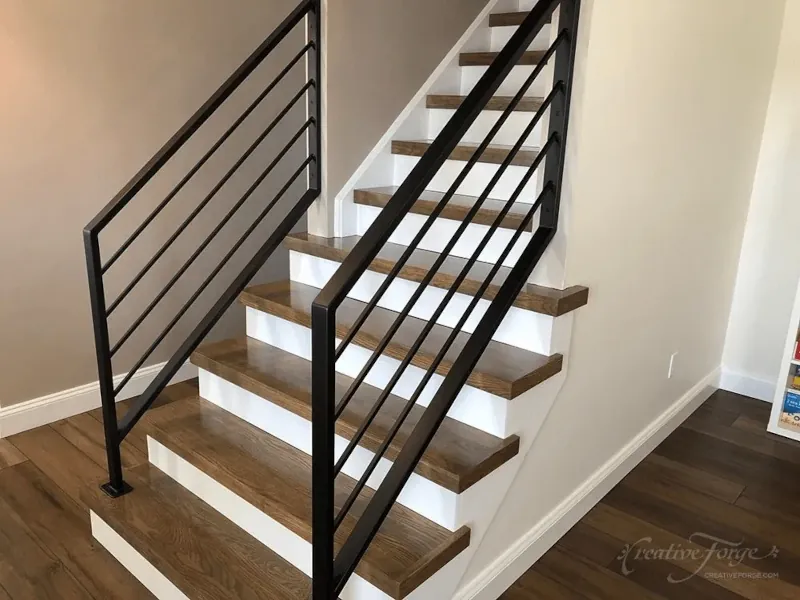
Custom metal railings should support the overall look of the property. A sleek modern railing may look great on a contemporary home, office, or event space. A more decorative design may fit a traditional porch, garden stairway, or custom architectural feature. A heavy-duty industrial railing may be better for a warehouse, shop, equipment platform, or commercial property.
Metal is versatile because it can be shaped, welded, and finished in many ways. Custom metal railings can be made from materials such as steel, stainless steel, aluminum, and iron, offering flexibility for different spaces and design goals.
Common design styles include:
- Clean modern lines
- Horizontal railings
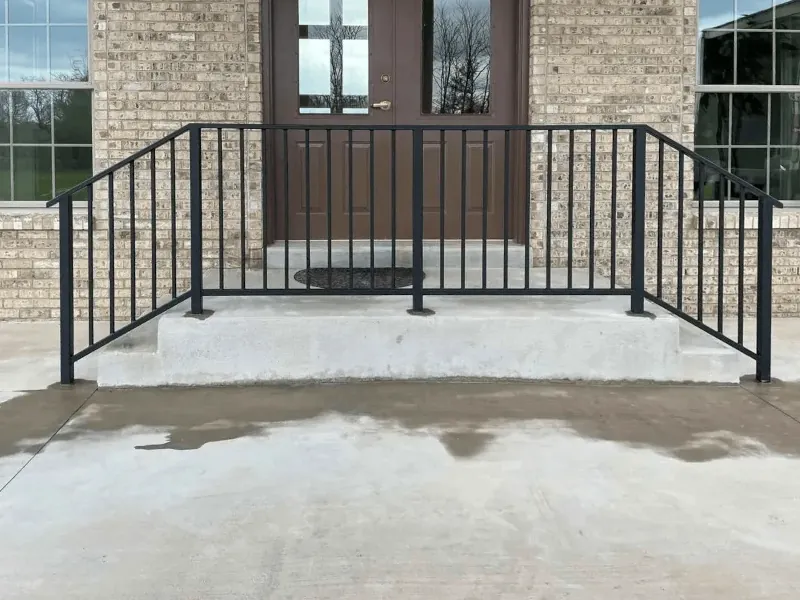
- Vertical pickets
- Industrial-style railings
- Decorative metalwork
- Minimalist stair rails
- Heavy-duty safety rails
- Custom gates or barriers
- Outdoor deck and patio railings
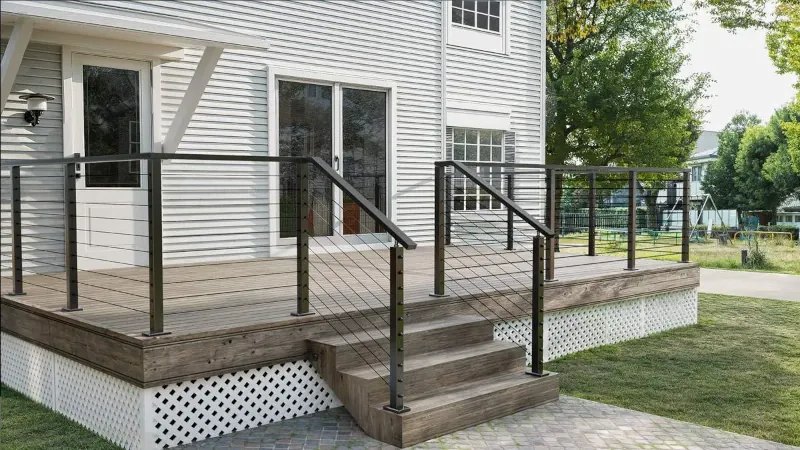
The right design should match the property without overpowering it. For example, a modern home may benefit from a simple black metal railing with clean lines. A commercial space may need a durable railing that looks professional and handles heavy use. An industrial facility may need function, strength, and visibility above all else.
3. Choose the Right Metal for the Job
Material selection matters. The right metal depends on strength requirements, location, exposure to weather, appearance, weight, and budget.
Steel is a popular choice for custom railings, steps, frames, and safety features because it is strong, durable, and suitable for many structural uses. It works well for stairs, platforms, commercial railings, and heavy-duty applications.
Aluminum is lighter than steel and naturally corrosion-resistant. It can be a good choice for outdoor projects, portable structures, or features that need to be easier to move or install.
Stainless steel offers corrosion resistance and a clean appearance, making it useful where moisture, appearance, or cleanliness matters.
Wrought iron or decorative iron-style metalwork may be chosen for traditional or ornamental designs.
When choosing metal, ask:
- Will this feature be indoors or outdoors?
- Will it be exposed to rain or humidity?
- Does the project require heavy-duty strength?
- Is appearance a major priority?
- Does the feature need to be lightweight?
- What finish will be used?
- How much maintenance is acceptable?
Gallo Welding provides custom steel and aluminum fabrication as part of its welding services, making material selection an important part of the project planning process.
4. Plan for Proper Measurements and Fit
One of the biggest benefits of custom fabrication is accuracy. Railings and steps must fit the space properly. Even small measurement errors can affect installation, appearance, and safety.
For stair railings, the slope, height, angle, step dimensions, landing areas, and mounting points all matter. For platforms and balconies, the railing must match the edge conditions and layout. For commercial or industrial safety features, measurements may need to account for equipment clearance, workflow, door swings, or access paths.
Before fabrication begins, it helps to review:
- Total length of the railing
- Height requirements
- Stair angle
- Step width and depth
- Mounting surfaces
- Wall or post locations
- Openings and transitions
- Corners and turns
- Clearance around doors or walkways
- Existing structures that may affect installation
A custom metal railing or step system should feel built into the space. Proper measurement helps reduce gaps, awkward transitions, and installation problems.
5. Think About Grip, Comfort, and Daily Use
A railing should be comfortable to use. This is especially important for stairs, ramps, and areas where people need support. A railing that is too large, too sharp, too awkward, or difficult to grip can be frustrating and unsafe.
Handrail shape and size should be considered early in the design. Smooth edges, comfortable grip surfaces, and proper placement make the railing more useful.
For steps, comfort also matters. Metal steps should provide enough walking surface and should be designed to reduce slipping. Depending on the project, options may include textured metal, grating, tread plates, nosing details, or added traction features.
For daily use, consider:
- Is the handrail easy to hold?
- Are there sharp edges or corners?
- Are the steps wide enough?
- Will shoes have enough traction?
- Will the surface be exposed to rain?
- Will the railing be used by customers, residents, workers, or guests?
- Does the design support safe movement?
Good design is not only about how the finished feature looks. It is also about how it feels and functions every day.
6. Use the Right Finish for Durability
A finish protects the metal and improves appearance. The right finish depends on the material and where the railing, steps, or safety feature will be installed.
Outdoor metal features may need protection from moisture, sunlight, temperature changes, and regular wear. Indoor features may need a cleaner decorative finish, especially in homes, offices, event venues, or customer-facing spaces.
Common finish options include:
- Paint
- Powder coating
- Galvanizing
- Clear coating
- Polished metal
- Brushed metal
- Anodizing for aluminum
Protective coatings such as powder coating, paint, and anodizing can help keep metal railings looking new for years and reduce maintenance needs.
A good finish can help prevent rust, reduce wear, and keep the feature looking clean. For outdoor steel railings, protective coating is especially important.
7. Keep Maintenance in Mind
Metal railings are popular because they can be durable and low maintenance. Compared with wood, metal usually does not need frequent staining, sanding, or replacement. However, no material is completely maintenance-free.
Outdoor railings and steps should be checked occasionally for scratches, chips, rust, loose connections, or wear. Indoor railings may only need basic cleaning and occasional inspection.
To make maintenance easier, consider:
- Choosing a durable finish
- Avoiding overly complicated designs that trap dirt
- Using corrosion-resistant materials where needed
- Designing for drainage on outdoor steps
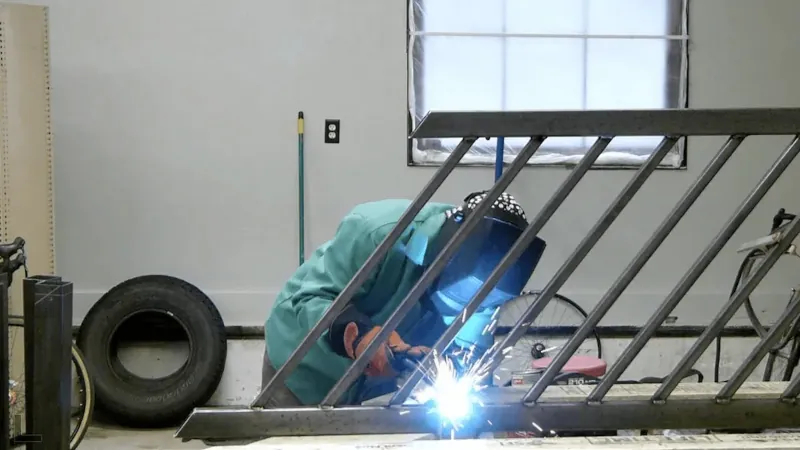
- Keeping welds clean and smooth
- Planning easy access for cleaning and inspection
A simpler design can often be easier to maintain over time. That does not mean it has to be boring. It means every detail should serve a purpose.
8. Balance Openness and Protection
Railings can change how open or enclosed a space feels. Some designs create a light, open appearance, while others feel more solid and protective.
For residential staircases or decks, many people prefer open railings that preserve views and natural light. For commercial or industrial spaces, protection and visibility may both matter. A safety barrier may need to clearly mark an edge without blocking workflow.
Consider whether your design should:
- Preserve views
- Increase privacy
- Create a visual boundary
- Prevent falls
- Protect equipment
- Guide foot traffic
- Improve visibility
- Match existing architecture
Horizontal rails, vertical pickets, mesh panels, solid panels, and custom patterns all create different visual effects. A fabrication team can help choose a layout that supports both style and safety.
9. Design Steps for Strength and Traction
Custom metal steps can be used for residential, commercial, and industrial access. They may be part of a staircase, platform, equipment access system, loading area, outdoor entry, or custom structure.
When designing metal steps, strength and traction are key. Steps should support the expected load and provide a stable walking surface. Outdoor steps may need extra attention because rain, dirt, or debris can increase slip risks.
Possible step design features include:
- Steel tread plates
- Bar grating
- Expanded metal
- Textured surfaces
- Reinforced frames
- Drainage-friendly designs
- Proper riser and tread dimensions
- Secure handrails
Custom metal steps should be designed around how often they will be used, who will use them, and what conditions they will face.
10. Consider Lighting, Visibility, and Safety Details
Safety features are not limited to railings and steps. Visibility also plays an important role. A railing or step that blends into the background may be harder to see, especially in low-light areas.
Design choices can improve visibility and safety. For example, a contrasting finish may help people see railings more clearly. Lighting near stairs or platforms can reduce trip risks. Safety rails around equipment areas can help guide movement and protect workers or visitors.
Additional safety features may include:
- Guardrails
- Handrails
- Bollards
- Protective barriers
- Kick plates
- Equipment guards
- Edge protection
- Custom gates
- Access platforms
For commercial and industrial projects, safety details can help protect people and improve workflow.
11. Plan for Indoor and Outdoor Conditions
Indoor and outdoor metal features face different conditions. Indoor railings may focus more on design, comfort, and finish. Outdoor railings and steps must also handle moisture, temperature changes, UV exposure, and environmental wear.
For outdoor projects, consider:
- Drainage
- Rust prevention
- Slip resistance
- Coating durability
- Sun exposure
- Ground conditions
- Anchoring strength
- Long-term maintenance
For indoor projects, consider:
- Interior design style
- Touch comfort
- Finish quality
- Smooth welds
- Visual balance
- Traffic flow
The same railing design may not work equally well indoors and outdoors. Custom fabrication allows the design to be adjusted for the environment.
How Gallo Welding Can Help
At Gallo Welding, we provide welding and fabrication services for residential, commercial, and industrial applications. Our services include structural steel welding and reinforcement, metal repairs and restoration, custom steel and aluminum fabrication, brackets, frames, supports, mounts, equipment and machinery welding repairs, on-site welding, small and large-scale welding jobs, and custom metal railings.
If you need custom railings, steps, safety barriers, metal supports, or welded features, our team can help plan and build a solution that fits your space and project needs. We can help with material selection, design planning, fabrication, welding, repair, and installation considerations.
Every project is different. Some need a clean decorative railing. Others need heavy-duty steel steps or safety features for frequent use. Gallo Welding can help create a custom metal solution built around strength, function, and long-term performance.
Still Planning Your Custom Railing or Safety Feature?
If you are not sure what type of railing, step, or safety feature is right for your property, Gallo Welding can help you compare options and make a confident decision.
A successful project depends on the right material, measurements, finish, and design. Whether you need something modern, industrial, decorative, heavy-duty, weather-resistant, or built for daily use, our team can help create a solution that fits your space.
Contact Gallo Welding today to discuss your custom metal railing, step, or safety feature project and request a professional quote.
Final Thoughts
Custom metal railings, steps, and safety features are important investments. They improve safety, support movement, protect elevated areas, and enhance the look of a property. When designed well, they can provide long-lasting strength and a clean, professional appearance.
The best projects begin with thoughtful planning. Focus on safety first, choose the right metal, measure carefully, select a durable finish, and design around daily use. Custom fabrication gives you the flexibility to create a feature that fits your space instead of settling for a standard option.
If you need custom metal railings, metal steps, safety barriers, or welded features for a residential, commercial, or industrial project, Gallo Welding can help bring your project to life with dependable welding and fabrication services.