
Stainless Steel vs Aluminum in Industrial Metal Fabrication: Which Is Right for Your Project?
When you start a project that involves metalwork, one of the most important decisions you’ll make is choosing the right material. In many cases, the choice comes down to stainless steel fabrication vs aluminum fabrication. Both materials are widely used in industrial metal fabrication, and each offers unique benefits. But choosing the wrong one can lead to higher costs, faster wear, or performance issues over time. Understanding how these materials behave will help you make a smarter decision - whether you’re building structural frames, railings, enclosures, or custom components. In this guide, we’ll break down the key differences between stainless steel and aluminum, how they perform in real-world conditions, and how to choose the right material for your project.
Understanding the Basics of Metal Fabrication Materials
Both aluminum and stainless steel play important roles in custom metal fabrication services. The right choice depends on your project goals, environment, and performance requirements.
Aluminum Fabrication
Aluminum is known for being:
- Lightweight
- Corrosion-resistant
- Easy to shape and cut
Because of these qualities, it’s commonly used in:
- HVAC systems
- Enclosures
- Transportation components
- Material handling systems
Aluminum is ideal for projects that require flexibility, faster production, and reduced weight.
Stainless Steel Fabrication
Stainless steel is known for:
- High strength and durability
- Excellent corrosion resistance
- Long-term reliability
It’s widely used in:
- Structural frames
- Industrial equipment
- Food-grade applications
- Heavy-duty components
Many metal fabrication shops rely on stainless steel for projects that demand strength, hygiene, and long-lasting performance.
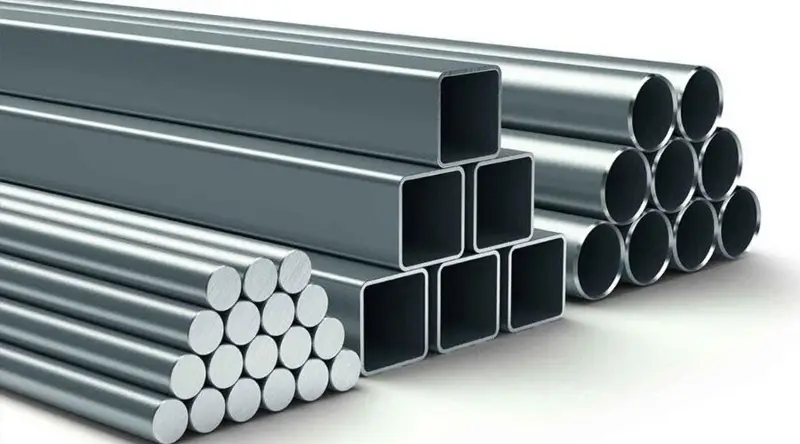
How Stainless Steel and Aluminum Perform in Fabrication
The way a material behaves during fabrication can affect cost, speed, and final quality.
Welding
Stainless steel is easier to weld consistently, making it a preferred choice for many welding services. Aluminum, on the other hand, requires more skill because:
- It has a lower melting point
- It forms an oxide layer that must be handled carefully
This means aluminum welding often requires specialized tools and expertise.
Cutting and Machining
Aluminum is easier to cut and machine. It causes less tool wear and allows for faster production. Stainless steel is harder and takes longer to process, but it provides:
- Better precision
- Stronger finished parts
Forming and Shaping
Aluminum is more flexible and easier to bend, making it ideal for complex shapes. Stainless steel requires more force and stronger tools, but it maintains its structure better under stress.
Environmental Performance: Where Will the Metal Be Used? One of the most important factors in choosing between materials is the environment.
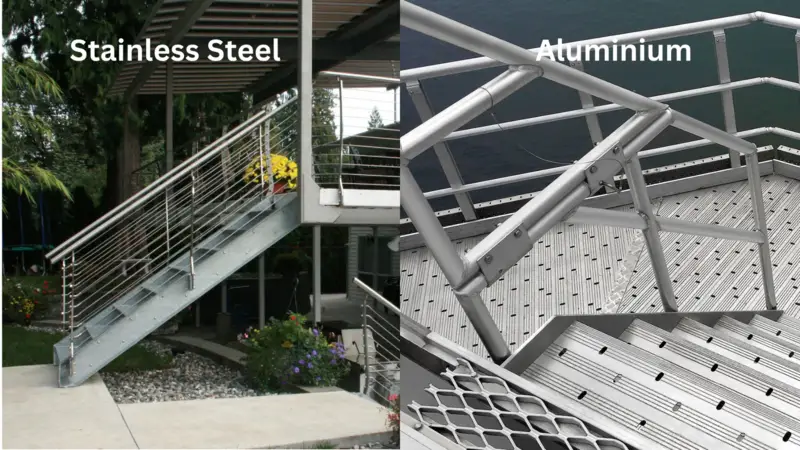
Outdoor and Moisture Exposure
Aluminum naturally resists corrosion because it forms a protective layer on its surface. This makes it a great choice for:
- Outdoor structures
- Marine environments
- Areas with high humidity
Stainless steel also resists corrosion, especially in industrial and chemical environments. However, mild steel (non-stainless) would require coatings like paint or powder coating.
Indoor Applications
For indoor use in dry conditions, both materials perform well. However:
- Stainless steel offers higher strength
- Aluminum offers easier handling
The right choice depends on whether strength or weight is more important.
Strength vs Weight: What Matters More?
Stainless Steel
- Stronger and more durable
- Ideal for heavy loads and structural support
- Handles high pressure and impact
Aluminum
- Much lighter
- Easier to transport and install
- Reduces overall system weight
If your project involves structural strength, stainless steel is usually the better choice. If weight reduction is important, aluminum is the better option.
Matching the Material to Your Project
Choosing the right material becomes easier when you think about how it will be used.
Use Stainless Steel When:
- You need strong structural support
- The environment includes heat, pressure, or chemicals
- Durability is a top priority
- The project requires long-term reliability
Use Aluminum When:
- Weight reduction is important
- You need faster production
- The project involves outdoor exposure
- You want easier fabrication
Common Applications in Industrial Metal Fabrication
Both materials are used across a wide range of industries.
Stainless Steel Applications
- Structural frames and supports
- Industrial platforms and walkways
- Equipment enclosures
- Food processing systems
- Custom railings and safety structures
Aluminum Applications
- Lightweight frames
- HVAC systems
- Transportation equipment
- Outdoor structures
- Decorative elements
Cost vs Long-Term Value
Many people focus on upfront cost, but long-term value matters more.
- Aluminum may be cheaper and faster to work with
- Stainless steel may cost more initially but lasts longer
Because stainless steel requires less maintenance and fewer replacements, it often becomes more cost-effective over time.
Sustainability and Environmental Impact
Both materials support sustainability because they are recyclable. However:
- Aluminum requires less energy when recycled
- Stainless steel lasts longer, reducing the need for replacement
If your goal is long-term durability, stainless steel is a strong choice. If energy efficiency in production matters more, aluminum may be preferred.
Why Working With a Professional Fabrication Partner Matters
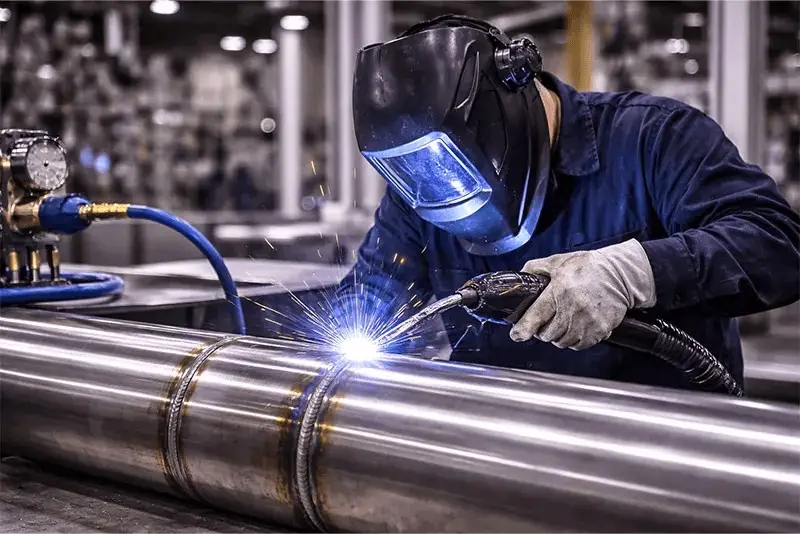
Choosing the right material is only part of the process. Proper fabrication is just as important. A professional welding and fabrication team ensures:
- Accurate measurements
- High-quality welding
- Strong and reliable structures
- Long-lasting performance
How Gallo Welding Supports Your Fabrication Needs
At Gallo Welding, we provide expert metal fabrication services tailored to your project requirements. Our services include:
- Stainless steel fabrication
- Structural steel welding
- Custom metal fabrication
- Equipment and machinery repairs
- On-site welding services
- Custom railings and metal structures
We work with both stainless steel and other metals to deliver solutions that are strong, precise, and built to last. Whether your project requires durability, customization, or efficiency, our team ensures highquality results from start to finish.
Request a Custom Fabrication Quote
Choosing between stainless steel and aluminum can depend on your project’s strength, weight, budget, and environment. If you’re not sure which material is right for your fabrication project, Gallo Welding can help you make the right decision. Whether you need stainless steel fabrication, aluminum fabrication, structural welding, custom railings, equipment repairs, or on-site welding services, our team is ready to assist. Contact Gallo Welding today to request a custom fabrication quote and get expert guidance for your next project.
Final Thoughts
When comparing stainless steel vs aluminum in industrial metal fabrication, there is no one-size-fits-all answer. The right choice depends on:
- Your project type
- Environmental conditions
- Strength requirements
- Budget and timeline
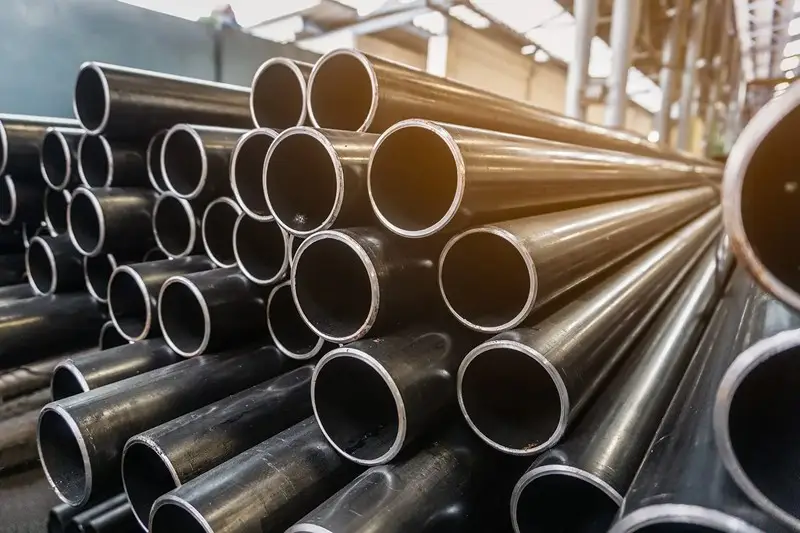
Stainless steel offers unmatched durability, strength, and long-term reliability. Aluminum provides flexibility, lightweight performance, and faster fabrication. By understanding how each material performs, you can choose the one that best supports your project goals. If you’re planning a project and need expert guidance, working with an experienced metal fabrication company like Gallo Welding can help you make the right decision from the start.
FAQs
Is stainless steel stronger than aluminum? Yes, stainless steel is significantly stronger and better for structural applications.
Which material is better for outdoor use? Both work well, but aluminum is naturally corrosion-resistant, while stainless steel performs better in harsh industrial environments.
Is aluminum cheaper than stainless steel? Aluminum is usually cheaper upfront, but stainless steel may offer better long-term value.
Which material is easier to fabricate? Aluminum is easier to cut and shape, while stainless steel requires more effort but offers better durability.
Can I use both materials in one project?
Yes, many projects combine stainless steel and aluminum to balance strength and weight.