
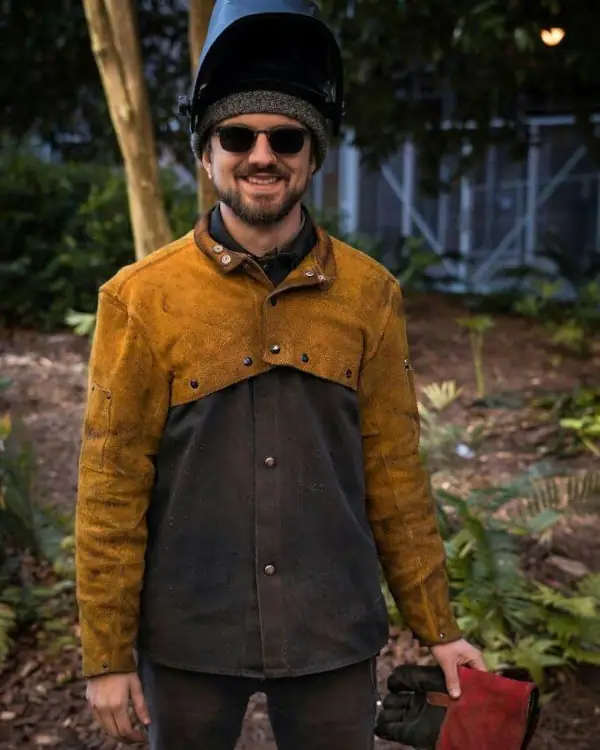
A welded metal sculpture is a three-dimensional art piece created by joining metal components through heat fusion. The artist uses welding equipment to permanently bond steel, aluminum, bronze, or other metals into forms ranging from abstract shapes to realistic figures. These pieces serve as indoor focal points, outdoor statements, public installations, or branded commercial art across Metro Atlanta, North Georgia, and the Southeast.
Welded metal sculptures transform raw industrial materials into permanent art. The process combines engineering precision with artistic vision. Each piece starts as flat sheet metal, structural tubing, or reclaimed components. The welder assembles these parts through TIG, MIG, or stick welding methods. The finished sculpture receives surface treatment for color, texture, and weather resistance.
What A Welded Metal Sculpture Is
Welded metal sculpture differs from cast metal art or fabricated assemblies held together with bolts or adhesives. Welding fuses metals at a molecular level. The joint becomes as strong as the parent material. This permanence allows artists to build large-scale outdoor works, cantilevered forms, and complex geometric structures.
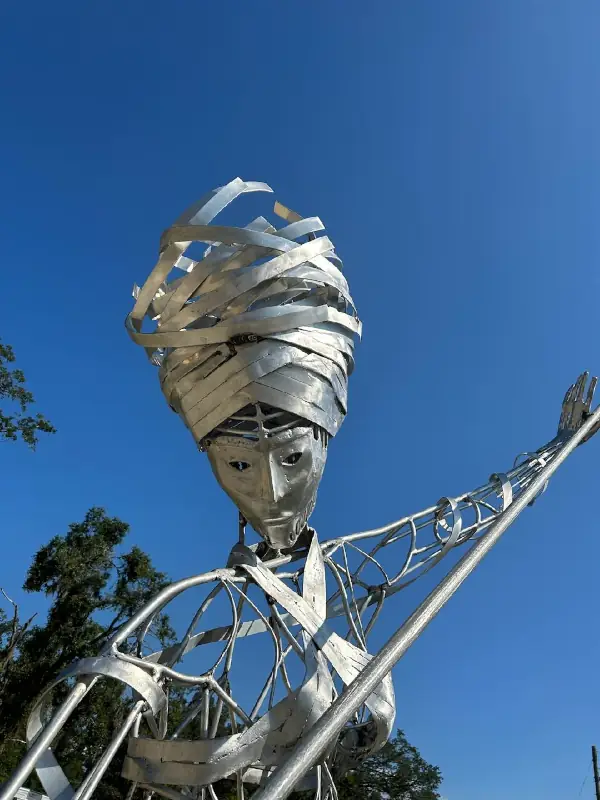
The scale ranges from tabletop pieces under 12 inches to monumental installations over 20 feet tall. Indoor sculptures often emphasize polished finishes and refined details. Outdoor pieces prioritize structural integrity and weather resistance. Public art includes interactive elements, water features, or integrated lighting.
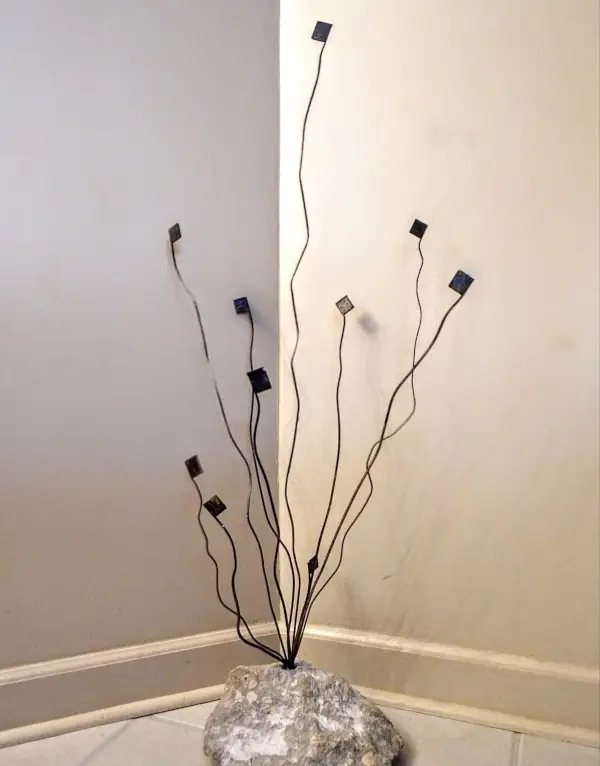
Artists build abstract compositions, representational figures, animals, botanicals, corporate logos, and site-specific installations. Some sculptures stand freely on bases. Others mount to walls, hang from ceilings, or anchor into landscapes. The versatility of welded metal supports nearly any design direction.
For deeper insights into the artistic side of this work, read The Art of Metal: How Welding Becomes Sculpture.
Common Metals And Why Artists Choose Them
Mild Steel
Mild steel is the most common sculpture material. The metal welds easily and costs less than specialty alloys. Artists cut, bend, and shape mild steel with standard shop equipment. The downside is rust. Outdoor mild steel requires protective finishes or intentional oxidation strategies.
Stainless Steel
Stainless steel resists corrosion without additional coatings. The metal suits coastal climates, poolside installations, and high-traffic public spaces. Polished stainless creates mirror-like surfaces. Brushed stainless steel offers industrial texture. Stainless costs more and requires specialized welding skills.
Aluminum
Aluminum weighs one-third as much as steel. The light weight simplifies installation and reduces structural loads on walls or ceilings. Aluminum resists corrosion naturally. The metal works well for suspended pieces, kinetic sculptures, and large-scale outdoor installations where weight matters. Aluminum requires different welding techniques than steel.
Corten Steel
Corten steel develops a stable rust patina over six months to two years. The oxide layer protects the metal from further corrosion. The rusty brown surface suits naturalistic landscapes and modern architecture. Corten needs no painting or sealing. The patina stains concrete and pavers during initial weathering. Site planning must account for runoff.
Bronze And Mixed Media
Bronze adds warmth and traditional sculpture aesthetics. Artists weld bronze accents onto steel frameworks or use bronze exclusively for smaller pieces. Mixed media sculptures incorporate stone, wood, glass, or found objects. Combining materials increases complexity and cost.
Finishes And Patinas: What Changes Outdoors
Powder Coat
Powder coating applies electrostatically charged pigment particles. The coating bakes into a hard, durable shell. Powder coats come in hundreds of colors and textures. The finish resists chipping, fading, and UV damage better than liquid paint. Powder coats suit outdoor sculptures in any climate.
Clear Coat
Clear coatings preserve the raw metal appearance while preventing oxidation. Artists apply clear lacquer, polyurethane, or automotive clear coat over polished, brushed, or heat-treated steel. Clear coats require reapplication every few years outdoors. Indoor pieces maintain clear finishes indefinitely.
Wax And Oil Finishes
Wax and oil finishes suit indoor mild steel sculptures. The artist heats the metal and applies paste wax or linseed oil. The finish penetrates surface pores and creates a low-sheen protective layer. Wax finishes need annual reapplication. These finishes enhance metal texture without adding color.
Heat Coloring
Heat coloring uses controlled flame application to oxidize steel into blue, purple, bronze, or gold hues. The colors depend on temperature and metal composition. Heat coloring works best on stainless steel and mild steel. The colors fade outdoors unless sealed. Heat-treated sculptures make striking indoor installations.
Patina And Sealers
Chemical patinas accelerate rust formation on mild steel or create verdigris on copper alloys. Artists apply acids, salts, or commercial patina solutions. The patina develops over hours or days. Sealers lock in the color and slow further oxidation. Unsealed patinas continue evolving outdoors.
Galvanizing
Hot-dip galvanizing coats steel with molten zinc. The zinc sacrifices itself to protect the underlying steel. Galvanized sculptures resist corrosion for decades. The silver-gray finish weathers to matte gray. Galvanizing adds cost and limits post-fabrication modifications.
The Process: From Idea To Installation
Discovery Call And Goals
The artist discusses your vision, site, budget range, and timeline. This conversation clarifies whether you want abstract or representational art, indoor or outdoor placement, and how the sculpture relates to architecture or landscape. The artist identifies technical constraints and opportunities.
Site Photos And Measurements
Submit photos showing the installation location from multiple angles. Include measurements for available space, ceiling height, or landscape dimensions. Note obstacles like overhead wires, underground utilities, or access limitations. For wall-mounted pieces, identify stud locations or masonry type.
Concept Sketches Or Reference Images
The artist produces hand sketches, digital renderings, or small maquettes. You provide reference images showing style preferences, proportions, or thematic elements. This phase aligns creative direction before fabrication begins. Revisions happen here to avoid costly changes later.
Engineering And Structure Choices
Large or complex sculptures require structural calculations. The artist determines base plate dimensions, wall anchor specifications, or foundation requirements. Engineering ensures the sculpture withstands wind loads, seismic activity, and public interaction. This step includes material selection and finish planning.
Fabrication And Weld Finishing
The artist cuts metal components using plasma cutters, water jets, or saws. Parts are bent, formed, and fitted. Welding joins components permanently. The artist grinds welds smooth or leaves them textured depending on design intent. Fabrication takes the longest time in any project.
Surface Prep And Finishing
Metal surfaces are cleaned, sanded, or blasted to remove scale and contaminants. Finish application follows immediately. Powder coating requires outsourcing to a certified shop. Other finishes happen in the artist’s studio. Curing time varies by finish type.
Transport And Install
Small sculptures ship via freight carriers. Large pieces require flatbed trucks or custom crating. Installation includes anchoring to concrete pads, bolting to wall studs, or setting onto prepared bases. The artist coordinates rigging, cranes, or lifts for monumental pieces. Final placement adjustments happen on site.
Timeline Expectations
| Project Type | Typical Timeline Range | Notes |
|---|---|---|
| Tabletop or small indoor piece | 4 to 8 weeks | Simple designs move faster |
| Medium indoor or outdoor sculpture | 8 to 16 weeks | Includes engineering and finish |
| Large outdoor installation | 16 to 32 weeks | Add time for permits or concrete work |
| Monumental public art | 6 to 18 months | Includes design reviews and committees |
Rush timelines compress only if the artist has open shop time. Projects requiring custom finishes, structural engineering, or site preparation extend beyond these ranges. Seasonal weather delays outdoor installations. Plan commissions around event deadlines or construction schedules with buffer time.
What Drives Cost: Without Numbers
| Cost Driver | Why It Changes Price | How To Control It |
|---|---|---|
| Size and weight | More material, longer fabrication, harder transport | Choose smaller scale or thinner metal |
| Metal type | Stainless and bronze cost more than mild steel | Use mild steel with protective finish |
| Finish complexity | Multi-color powder coat or hand-applied patinas add labor | Select single-color powder coat or raw Corten |
| Engineering needs | Structural calcs and anchor design require expertise | Avoid cantilevered or suspended forms |
| Installation difficulty | Cranes, permits, and coordination increase cost | Choose freestanding pieces with simple bases |
| Design revisions | Changes after fabrication starts waste material and time | Approve concepts fully before welding begins |
Labor intensity drives most sculpture pricing. Intricate details, multiple finishes, or complex geometries multiply hours. Outsourced services like powder coating or galvanizing add third-party fees. Long-distance transport and specialized rigging increase logistics costs. Budget clarity during discovery prevents surprises.
How To Request A Quote: What To Send
Send the following information to start a commission conversation:
- Where the piece goes: indoor lobby, outdoor courtyard, rooftop, public plaza, or private garden
- Dimensions or desired scale: height, width, depth, or reference to existing features
- Indoor vs outdoor exposure: climate, weather, coastal proximity, or covered placement
- Finish preferences: polished, rusted, painted, natural metal, or color palette
- Mounting needs: freestanding base, wall-mounted, ceiling-hung, or ground-anchored
- Deadline: event date, construction milestone, or flexible timeline
- Budget range: realistic figure based on scale and complexity
- Reference images: photos of styles you admire or reject
- Site access and install constraints: narrow gates, elevator limits, crane access, or HOA rules
More detail up front produces more accurate quotes. The artist evaluates feasibility and suggests alternatives if initial ideas exceed budget or timeline. This information also reveals whether the project suits the artist’s capabilities and schedule.
Installation And Safety Basics
Anchoring And Base Plates
Freestanding outdoor sculptures require base plates welded to the bottom. The base bolts into concrete footings or anchor points. Footing depth depends on sculpture height and wind exposure. Base plates distribute weight and prevent tipping. The artist specifies anchor bolt size and embedment depth.
Wall Mounting And Studs Or Masonry
Wall-mounted sculptures attach to wood studs, steel studs, or masonry with appropriate fasteners. Heavy pieces need multiple attachment points. The artist provides a mounting template showing hole locations. Drywall alone cannot support metal sculpture weight. Professional installation prevents wall damage and safety hazards.
Wind Considerations For Outdoor Pieces
Tall or wide sculptures catch wind loads. Engineering accounts for local wind speeds and sculpture profile. Solid surfaces create more wind resistance than open frameworks. Coastal and rooftop locations face higher wind exposure. Proper anchoring and structural design prevent toppling.
Public Access Considerations
Public art installations need stable bases resistant to climbing or pulling. Sharp edges or points get rounded or capped. Heavy pieces get anchored to prevent vandalism or theft. Artists design for durability and public interaction. Local codes may require permits or inspections.
Maintenance And Care
Indoor mild steel sculptures with wax or oil finishes need annual reapplication. Dust with soft clothes. Avoid abrasive cleaners. Powder-coated indoor pieces need only occasional cleaning with mild soap and water.
Outdoor powder-coated sculptures rinse clean with garden hoses. Inspect annually for coating chips or scratches. Touch up damaged areas promptly to prevent rust. Clear-coated outdoor sculptures need recoating every two to five years depending on UV exposure and climate.
Corten steel sculptures develop stable patinas without maintenance. Expect initial runoff staining for the first year. Stainless steel resists corrosion but shows fingerprints and water spots. Polish stainless annually with metal cleaner and microfiber cloths.
Bronze sculptures develop natural patina over time. Leave untouched for antique appearance or apply wax annually to preserve original color. Remove bird droppings and organic debris promptly to prevent etching.
FAQ
How long does a custom welded metal sculpture take?
Small indoor pieces take four to eight weeks from approval to delivery. Medium outdoor sculptures need eight to sixteen weeks including engineering and finishing. Large installations or public art projects require six months to over a year depending on permits, reviews, and site preparation.
What is the best metal for an outdoor sculpture?
Stainless steel and Corten steel perform best outdoors without maintenance. Stainless resists all corrosion and suits coastal areas. Corten develops a protective rust layer and needs no painting. Powder-coated mild steel also works well if the coating stays intact.
Do you handle delivery and installation in Metro Atlanta?
Yes. Gallo Welding coordinates delivery and installation throughout Metro Atlanta, North Georgia, and the Southeast. Small pieces ship via freight. Large sculptures require site visits to plan rigging and anchoring. Installation includes final placement and securing to prepared bases or walls.
How much does a welded metal sculpture cost?
Pricing depends on size, metal type, finish, and design complexity. Tabletop pieces start lower than monumental outdoor installations. Stainless and bronze cost more than mild steel. Provide dimensions, finish preferences, and budget range for accurate quotes. Typical projects range from a few thousand dollars to six figures for large public art.
What information do I need before requesting a quote?
Send installation location details, desired dimensions, indoor or outdoor placement, finish preferences, mounting needs, deadline, budget range, reference images, and site access constraints. More detail produces better quotes. The artist evaluates feasibility and suggests alternatives if needed.
Are welded sculptures safe for homes with children or pets?
Most indoor and residential outdoor sculptures are safe when designed with rounded edges and stable bases. Avoid sharp points or easily tipped pieces. Wall-mounted sculptures must attach securely to studs or masonry. Discuss safety priorities during the design phase for homes with children or pets.
How do I maintain a powder-coated outdoor sculpture?
Rinse with a garden hose or wash with mild soap and water annually. Inspect for coating chips or scratches. Touch up damaged areas immediately to prevent rust spreading. Properly applied powder coat lasts ten to twenty years with minimal maintenance.
What happens if I need to move a sculpture later?
Small freestanding pieces move easily. Wall-mounted and anchored sculptures require professional removal and reinstallation. Notify the artist before relocating to avoid damaging the piece or mounting hardware. Large outdoor sculptures may need cranes or rigging equipment for relocation.
How do I choose between abstract and representational sculpture?
Abstract sculptures suit modern architecture and minimalist landscapes. Representational pieces work well for figurative themes, corporate branding, or narrative public art. Review the artist’s portfolio on the Artist page to see both styles. Discuss how the sculpture relates to surrounding architecture and landscape during discovery calls.
What if weather delays outdoor installation?
Rain, ice, or extreme heat can postpone concrete work and heavy rigging. Build buffer time into project schedules for weather contingencies. The artist monitors forecasts and reschedules as needed. Indoor fabrication continues regardless of weather. Final installation waits for safe working conditions.
Start A Commission Conversation
Gallo Welding creates custom welded metal sculptures for homes, businesses, public spaces, and events throughout Metro Atlanta and the Southeast. Whether you need an indoor focal point, an outdoor statement piece, or a branded installation, the process starts with a conversation. Visit the Contact page to share your vision and site details.
The Artist page shows completed works and design approaches. The Services page outlines capabilities beyond sculpture including custom fabrication and event rentals. Start planning your commission today.