
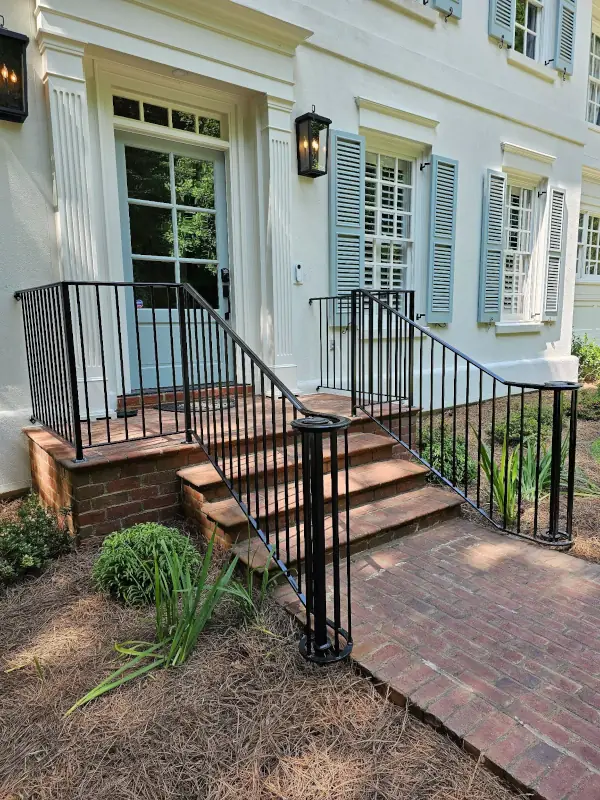
In metro Atlanta, metalwork takes a beating. One month it’s humid enough to spark surface rust overnight, the next you’re dealing with pollen, rain, and constant outdoor exposure. Add older properties with settling steps and shifting posts, and it’s easy to see why common problems pop up:
- A wrought iron gate that’s rusting at the bottom rail and dragging on the driveway
- A handrail that wobbles when someone leans on it (a real safety concern)
- A steel frame that’s warped, cracked at a weld, or bent after impact
- Decorative metalwork that looks great—but needs reinforcement before it fails
If you’re deciding between wrought iron vs steel for a new gate, railing, fence section, bracket, or repair, the “best” choice depends on how the piece is used, where it’s installed, and how much maintenance you want to deal with in Georgia’s climate.
Below is a practical, project-focused guide—written for Atlanta-area homeowners, contractors, and property managers—so you can choose confidently and get a durable result.
The Quick Answer: Wrought Iron vs Steel (Which One Usually Wins?)
Most modern projects in Atlanta end up using steel, because it’s widely available, strong, and efficient to fabricate. Wrought iron still shines when you’re matching older designs or working on traditional ornamental pieces.
Wrought iron is often best when…
- You’re repairing or matching an existing older iron gate, fence, or decorative railing
- You want classic scrollwork and traditional styling
- The project is more about ornamental detail than long, clean modern lines
Steel is often best when…
- You want strength with clean geometry (modern rails, frames, brackets, supports)
- You need efficient steel gate fabrication or repeatable parts for a property
- The job needs reinforcement, reliability, and straightforward maintenance
Soft CTA (for busy schedules): If you’re not sure what you have—or what you should use—Send photos + location for a quote and we’ll help you compare options based on your specific gate, railing, or repair.
Key Differences That Matter for Real Projects
Strength & structural performance (practical, not “engineering talk”)
For everyday use—gates that swing daily, railings people rely on, brackets holding equipment—steel is typically the go-to because it’s consistent and commonly used in structural and fabrication work.
Wrought iron can still be strong, especially in older, heavy ornamental work, but many “wrought iron” items today are actually mild steel made to look like wrought iron. The right choice depends on material condition, thickness, and how the load is carried (hinges, posts, mounting points, etc.).
Rust resistance & maintenance (Atlanta humidity reality)
Neither metal is “rust-proof” by default. In Georgia, the real difference is how well the metal is prepped, protected, and maintained.
- Surface rust often shows up where paint fails (edges, corners, weld seams, low spots).
- Deeper corrosion happens when rust keeps eating into the metal—especially near the ground, at the bottom rail, or where water sits.
A durable outdoor result usually comes down to:
- Proper cleaning and grinding
- Solid weld prep (clean metal, solid fit-up)
- Protective coating steps (primer/paint or other finishes)
- Ongoing touch-ups where chips or scratches appear
Appearance & style
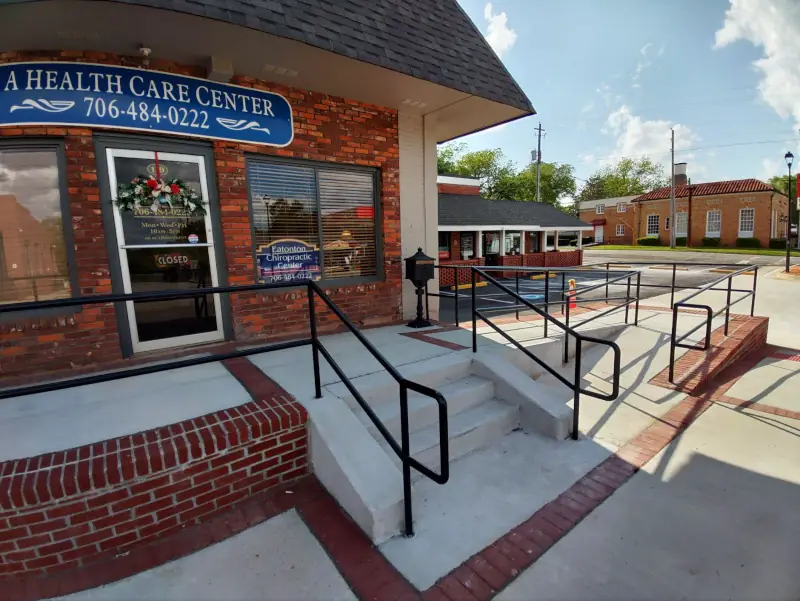
- Wrought iron look: traditional, ornate, scrolls, spear tops, classic porch and yard designs
- Steel look: modern, clean lines, square tube railings, minimalist gates, neat frames and supports
If your property has an older architectural style, matching existing details can matter as much as the repair itself.
Workability & weldability (what this means for your job)
Both materials can be welded, but the process depends on what you actually have on-site (and what it’s coated with).
A professional shop like Gallo Welding may use:
- MIG welding for efficient steel fabrication and many repairs
- TIG welding when precision and a clean finish matter (common for stainless and aluminum work, too)
- Stick welding for certain site conditions, thicker materials, or outdoor/mobile work
For many customers searching wrought iron welding Atlanta or steel welding Atlanta, the key is not the buzzword—it’s choosing the method that fits the material, thickness, access, and safety needs.
Repairability (common real-world scenarios)
- Wrought iron-style gates/rails: repairs often focus on broken pickets, cracked scrolls, rusted bottom rails, loose collars, or failing joints.
- Steel gates/frames/supports: repairs often involve cracked welds, bent sections, hinge/post reinforcement, or adding gussets/plates to stop repeat failure.
A good repair doesn’t just “patch the crack.” It addresses why it cracked—movement, impact, poor alignment, or stress at a joint.
Longevity outdoors in Georgia
In Atlanta and across Georgia, long life outdoors usually depends on:
- Keeping water from sitting in low spots
- Sealing exposed metal after grinding or repair
- Maintaining paint/finish around welds and edges
- Fixing gate sag and post movement early (before it destroys hinges and latches)
With the right prep and upkeep, both can last a long time—but neglected rust spreads fast here.
Safety considerations (especially railings/handrails and gates)
If a railing wobbles, a gate drags, or a post shifts, it’s more than annoying—it’s a risk. Common safety concerns include:
- Loose anchors or rotten mounting points (wood/brick/concrete issues)
- Sharp rusted edges or cracked welds
- Gates that swing unpredictably or don’t latch reliably
For railings and handrails, stability matters most. The “best metal” is the one that can be properly repaired or properly built for the way it’s used.
Cost + timeline considerations (no exact prices)
Costs usually come down to:
- How much prep is needed (rust removal, paint stripping, grinding)
- How complex the design is (ornamental detail takes time)
- Whether the job can be done safely on-site or needs shop work
- Finish expectations (smooth blending vs. functional repair)
Gates & Fences
Common failures/issues
- Sagging gate leaves from hinge wear
- Latch alignment problems (often tied to post movement)
- Rust at the bottom rail where water collects
- Fence sections leaning due to shifting soil
- Impact damage from vehicles or lawn equipment
When wrought iron makes sense
- You’re doing wrought iron gate repair on an older home and want it to match existing scrollwork
- The gate has decorative elements that should be preserved (finials, collars, scrolls)
- You’re restoring a traditional look rather than switching to a modern layout
When steel makes sense
- You want a clean, modern gate design with square/rectangular tubing
- You need stronger hinge/post reinforcement to stop repeat sagging
- You’re building new sections and want consistent material availability and straightforward maintenance
Atlanta-area examples (realistic use cases)
- A driveway gate that drags after heavy rains and soil movement shifts the post
- A backyard fence bottom rail rusting where sprinklers keep it wet
- A commercial pedestrian gate that needs a stronger latch area and strike plate
- A property manager needing repeatable repairs across multiple units (hinges, latches, reinforcement)
- A pool gate that must close and latch reliably (alignment + hinge health matter)
Railings & Handrails (Residential + Commercial)
Common failures/issues
- Wobbly posts or loose base plates
- Cracked welds at corners or transitions
- Rusted pickets near steps and landings
- Handrails that flex too much because the mounting points are failing
- Damage from moving furniture, deliveries, or heavy foot traffic
When wrought iron makes sense
- You’re matching older porch rail details or decorative stair accents
- You want traditional scrollwork and classic curb appeal
- The existing railing is a wrought-iron style design and you want seamless blending
When steel makes sense
- You want modern lines, simple geometry, and a sturdy feel
- You need reliable metal railing fabrication for multi-unit properties
- You want reinforcement that’s clean, strong, and easier to maintain over time
Atlanta-area examples
- A front porch railing on an older home that wiggles because the base has rusted and anchors loosened
- A stair rail where the bottom section sees constant splash/rain and develops corrosion
- A storefront handrail that takes daily use and needs reinforcement at stress points
- A warehouse walkway rail that needs repair without shutting down operations for long
- A condo property needing consistent railing repairs that look uniform across units
Decorative/Ornamental Metalwork
Common failures/issues
- Broken scrolls or decorative collars
- Rust-through at thin ornamental pieces
- Cracks at old joints where the metal has weakened
- Pieces that look fine but flex because the internal support is failing
When wrought iron makes sense
- You’re restoring historic or older decorative styles
- The goal is to match existing patterns and maintain the original look
- You want traditional charm for porch features, garden accents, or entry details
When steel makes sense
- You want decorative elements with cleaner lines or modern shapes
- You need hidden reinforcement behind the design
- You’re fabricating new decorative features that still need strength and durability
Atlanta-area examples
- Matching older porch scrollwork during a renovation
- Repairing decorative pickets that snapped after a storm branch hit
- Reinforcing an ornamental panel that’s loosened from repeated gate movement
- Restoring an iron-style balcony detail that’s rusting near joints
- Upgrading decorative panels while keeping the same overall look
This is where experienced custom metalwork Atlanta teams make a difference—because the job is both appearance and performance.
Frames, Brackets, and Structural Supports
Common failures/issues
- Cracked welds on equipment frames
- Bent brackets or mounts from vibration or impact
- Fatigue cracks where parts flex repeatedly
- Poor prior repairs that didn’t address the stress point
- Corroded supports exposed to weather and chemicals
When wrought iron makes sense
- Usually, it’s less common here unless you’re matching an existing ornamental structure
- Some legacy pieces may be “wrought iron style,” but many supports are better handled in steel
When steel makes sense
- This is where steel often wins for strength, consistency, and fabrication speed
- Ideal for brackets, frames, supports, mounts, and reinforcement plates
- Common in structural steel welding and practical reinforcement work
Atlanta-area examples
- A trailer component or tongue area needing reinforcement and steel repair
- Equipment stands that cracked at corners from vibration
- Loading-area brackets that bent after impact
- Outdoor support frames that need corrosion cleanup plus reinforcement
- Hard-to-move machinery where mobile welding Atlanta service is the safest option
Wrought Iron vs Steel Comparison Table
| Category | Wrought Iron (or wrought-iron style work) | Steel |
|---|---|---|
| Best for (typical uses) | Ornamental gates/rails, restorations, classic designs, matching older metalwork | Gates, railings, frames, brackets, supports, general fabrication and reinforcement |
| Appearance | Traditional, decorative, classic scrollwork | Clean lines, modern look, easy to customize |
| Outdoor durability (with maintenance) | Good if kept sealed/painted; rust can spread fast where water sits | Good if properly coated; durable and consistent for outdoor structures |
| Repair friendliness | Great for restoring and matching details; may require careful blending | Great for structural repairs, reinforcement, replacing sections efficiently |
| Typical fabrication complexity | Higher when matching scrolls/patterns; detail work takes time | Ranges from simple to complex; clean designs often faster to build |
| Upfront cost drivers (no pricing) | Ornamental detail, pattern matching, rust restoration labor | Material thickness, reinforcement needs, fabrication time, finish level |
| Best situations for each | Restorations, decorative metalwork, matching older properties | New builds, modern styles, high-use gates/rails, frames/supports |
What a Welder Looks For: Inspection Checklist
When a pro evaluates a gate, railing, or frame, here’s what they’re checking before recommending a repair or rebuild:
- Metal thickness and overall condition
- Rust depth, pitting, and “soft spots” (metal that’s thinning)
- Crack locations and whether cracks are spreading
- Joint quality and any previous weld quality issues
- Alignment and fit-up (sagging gate, leaning post, twisted rail)
- General load/stress points (hinges, corners, base plates, mounting areas)
- Whether reinforcement plates, gussets, brackets, or sleeves make sense
- Safe access for on-site welding (clearance, power needs, work area safety)
This is the difference between a quick patch and a repair that holds up.
Cost & Scheduling Factors in Atlanta (No Exact Prices)
Metalwork costs vary, but in Atlanta the same factors come up again and again:
- Mobile travel/setup vs. shop work: On-site repairs can save removal time for hard-to-move items, but setup and safe access matter.
- Prep time: Rust removal, paint stripping, and grinding often take longer than the actual welding.
- Materials and consumables: Thickness, type (steel vs stainless vs aluminum), and any reinforcement plates or new hardware all affect the job.
- Complexity + finish level: A structural fix might be faster than a cosmetic blend. Smooth grinding and paint-prep finishing take more time.
- Coordination: Parking, access gates, HOA/property rules, tenant scheduling, and business hours can impact timing.
If you’re comparing options, a quick set of photos and a few details can help narrow it down fast.
Why Choose Gallo Welding
If you need dependable welding services Atlanta property owners and contractors can rely on, Gallo Welding is built for real-world jobs—repairs, reinforcement, and custom fabrication that need to last.
What you can expect:
- A 5-star rated reputation built on quality workmanship and reliable service
- Skilled welders who choose the right process (MIG, TIG, or Stick) for the material and situation
- Capabilities for steel, stainless steel, and aluminum projects—repairs and fabrication
- Options for mobile/on-site welding when moving the item isn’t practical, and shop work when that’s safer or smarter
- Experience across residential, commercial, and light industrial needs—from railings and gates to brackets, frames, mounts, and equipment repairs
- Service in Atlanta and throughout Georgia, with a focus on safe, durable results
Explore more about our work here: welding services
Ready to talk through your project? Reach out here: Contact
Get the Right Metal—and a Repair or Build That Holds Up
Choosing between wrought iron and steel isn’t just about looks. It’s about the condition of the existing metal, how the piece moves or carries weight, and what will survive Atlanta’s humidity and outdoor exposure with reasonable maintenance.
Send photos + location for a quote and include:
- One wide shot showing the whole gate/railing/frame
- Close-ups of the damage (rusted areas, cracks, broken joints)
- A photo showing how and where it’s installed (hinges, posts, base plates, mounts)
- Your city/ZIP, your timeline, and whether you prefer wrought iron, steel, or want options
FAQ
Is wrought iron stronger than steel for gates and railings?
Not usually in a practical, modern project sense. Many “wrought iron” gates today are actually mild steel made in an ornamental style. The best result depends more on thickness, design, and how well the gate or railing is supported and welded.
Which lasts longer outdoors in Atlanta—wrought iron or steel?
Both can last a long time if they’re properly prepped, coated, and maintained. In Georgia humidity, paint failure and trapped moisture cause most premature rust issues. Regular touch-ups and addressing chips early can make a big difference.
Can rusted wrought iron or steel be welded safely?
Often yes, but it depends on how deep the corrosion goes. A welder will remove rust, check for thinning or soft spots, and decide whether the metal can be repaired or if sections should be replaced. Safe welding requires clean base metal and solid fit-up.
Can you match an existing wrought iron design or decorative pattern?
In many cases, yes. Matching scrolls, pickets, and decorative details usually starts with clear photos and measurements. The goal is to blend repairs so the finished piece looks consistent, not patched.
What’s better for a modern-style railing—steel or wrought iron?
Steel is usually the better match for modern style because it supports clean lines and simple shapes. It’s also efficient to fabricate and reinforce, which helps with long-term stability. Wrought-iron style work can still be done, but it tends to look more traditional.
Do you handle mobile (on-site) welding in Atlanta?
Yes—mobile welding is ideal for gates, railings, equipment, and hard-to-move components when on-site access is safe and practical. In other cases, shop fabrication or repair may be recommended for better control and finishing. The right approach depends on your project and location.
What types of metal can you work with (steel, aluminum, stainless)?
Gallo Welding commonly works with steel and can also handle stainless steel and aluminum depending on the job. The welding method (MIG, TIG, or Stick) is chosen based on material type, thickness, and the environment. Sharing photos and a quick description helps confirm what’s best.
What should I send for a fast quote?
Send photos + location for a quote—a wide shot, close-ups of damage, and a photo showing how it’s installed. Include your city/ZIP, desired timeline, and whether you want wrought iron, steel, or a recommendation. The more visible the problem areas are, the faster the estimate process tends to be.
If your gate is sagging, your railing is loose, or your metalwork needs reinforcement that will hold up outdoors, send photos + location for a quote and we’ll help you choose the right material and repair approach for your Atlanta-area project.